


Dental Handpiece Maintenance and Operating Tips
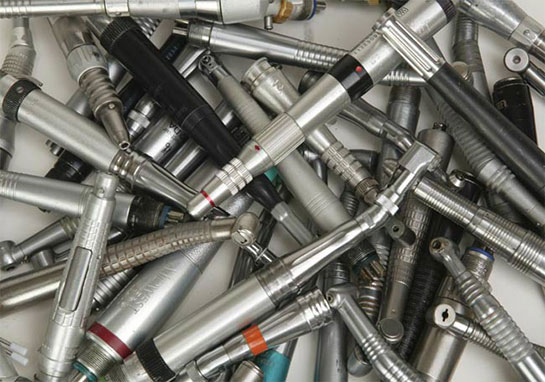
Your handpiece is one of the hardest-working pieces of equipment in your operatory. A little attention to dental handpiece maintenance and daily operating habits can dramatically extend its life, reduce frustrating downtime, and help keep your patients safe and comfortable.
At Handpiece Express, our Midwest factory-trained and certified technicians have repaired tens of thousands of high-speed, low-speed, and electric handpieces since 1994, so we see firsthand what good—and poor—maintenance looks like.
Below are straightforward, chairside-ready tips your whole team can follow.
Why Proper Dental Handpiece Maintenance Matters
Consistent maintenance and correct operation help you:
- Protect your investment
- Maintain cutting efficiency
- Reduce unplanned downtime
- Support patient safety and comfort
Start With the Basics: Check Your Air Pressure
Before you begin a procedure, confirm your delivery unit air pressure is set correctly.
- Do not exceed 35 PSI of drive air pressure for most high-speed handpieces.
- Measure pressure at the handpiece connection, not at the delivery unit. This gives you the most accurate reading of what your turbine actually “receives.”
- Higher pressure does not mean better performance. Pushing pressure past the recommended level increases back pressure inside the handpiece. That can:
- Damage the turbine
- Shorten bearing life
- Create more noise and vibration
- Not significantly improve cutting power
If you’re unsure of the recommended setting, refer to your handpiece manufacturer’s instructions for use (IFU) and match your unit to those specifications.
Daily Operating Tips for Your Handpiece
Think of every patient appointment as an opportunity to protect your equipment. These habits are simple but powerful.
Before You Power On
- Inspect the chuck and head
- Look for visible debris around the chuck opening.
- Insert a bur before tightening any manual chuckNever tighten a manual chuck with no bur in place. This can distort or damage the chuck, leading to poor bur retention and premature failure.
- Verify the bur is fully seated and secure
- Gently tug on the bur before activating the handpiece to ensure it’s locked in.
During Procedures
- Never run a handpiece without a bur securely in place.
Running “empty” can cause damage to your autochuck. - Do not depress the push button while the handpiece is running.
Pressing the chuck release during operation can open the chucking mechanism and release the bur—a clear safety hazard for both patient and clinician. - Avoid using the handpiece as a retractor.
Do not use the head of the handpiece to retract the patient’s cheek or other soft tissues. If the end cap is depressed while the turbine is spinning, it can generate excessive heat and risk tissue injury.
After Each Patient: Quick Maintenance Routine
Building a short, consistent protocol into your turnaround process pays off:
- Flush and clean according to the IFU
Remove debris and contaminants from the head and spray channels as directed by the manufacturer. - Lubricate after each use
- Apply the recommended oil or lubricant to the proper port(s).
- Run the handpiece briefly to distribute the lubricant and expel excess.
This step is central to dental handpiece maintenance—it protects bearings, reduces friction, and supports smooth operation.
- Wipe external surfaces
Only use water and a soft brush to clean exterior surfaces and remove bioburden. Never use chemical disinfectant wipes. - Package for sterilization properly
Follow the manufacturer’s guidelines for bagging, cycle type, and drying. Overheating or improper cycles can shorten the life of components.
What NOT to Do with Your Handpiece
Avoiding a few common missteps can dramatically reduce repair frequency:
 Don’t exceed the manufacturer’s recommended air pressure (typically not more than 35 PSI at the connection).
- Don’t operate the handpiece without a bur fully inserted and secured.
- Don’t tighten a manual chuck without a bur in place.
- Don’t depress the push-button while the turbine is spinning.
- Don’t use the handpiece to retract soft tissue such as cheeks or lips.
- Don’t ignore the IFU. Always read and follow the manufacturer’s instructions before operating a new handpiece or attachment.
When to Call a Professional Repair Partner
Even with excellent dental handpiece maintenance, there will come a time when professional service is the safest choice.
Watch for:
- Noticeable loss of power or cutting efficiency
- Unusual noise, squealing, or vibration
- Burs that wobble or won’t stay locked in
- Overheating of the head or sudden temperature changes
- Visible damage, corrosion, or leaking
At Handpiece Express, we’ve repaired more than 140,000 handpieces for hundreds of dentists over the last several decades.
We also maintain Better Business Bureau Honor Roll Member status and are founding members of the National Dental Handpiece Repair Association, reflecting our commitment to ethical, high-quality service and your long-term trust.
Need Help With a Problem Handpiece?
If you’re noticing changes in performance—or just want guidance on setting up a solid dental handpiece maintenance routine—Handpiece Express is here to help. Our family-owned repair center focuses on fast turnaround, clear communication, and repairs that meet or exceed manufacturer specifications.
Reach out to our team, and we’ll be glad to review your situation, recommend next steps, and help keep your handpieces working the way you need them to—day in and day out.
Call us at (800) 895-7111 or contact us online now to get your repair started.