


Low speed handpiece repair is usually the better choice when the body is sound and the problem is normal wear (bearings, gears, or the latch), while replacement makes more sense when safety is compromised, parts are obsolete, or repair costs approach half the price of a new unit. In short, choose low speed handpiece repair to protect a quality instrument and control cost, and replace only when a reliable, lasting fix is not realistic.
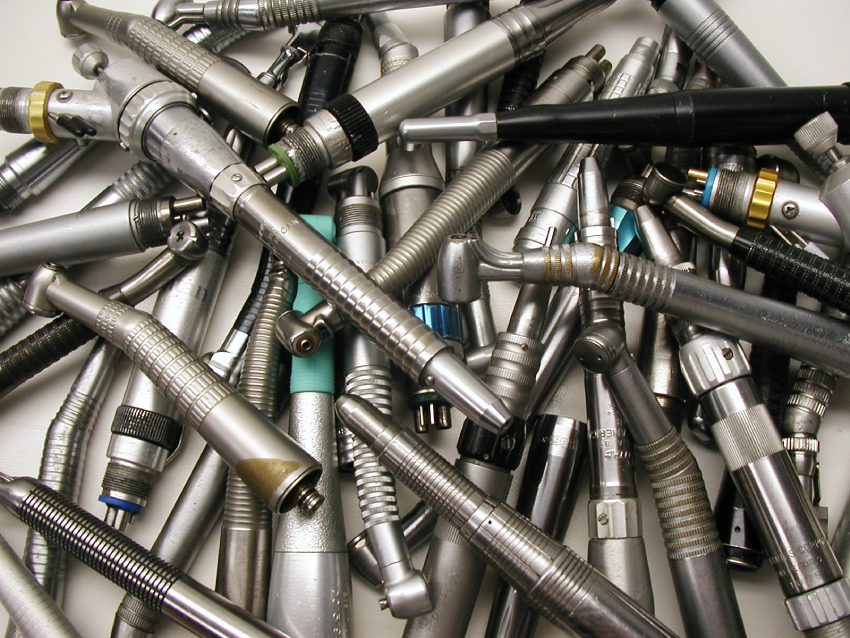
LOW SPEED HANDPIECE REPAIR
When a slow-speed quits in the middle of a packed schedule, the decision feels urgent: do you send it in for low speed handpiece repair, or replace it and move on? The right answer depends on more than the invoice total. You’re weighing operational uptime, consistency in performance, and whether the “fix” you choose today prevents another interruption next month.
At Handpiece Express, we’ve been helping dentists make that call since 1994. We’re family-owned, we repair all major brands of high-speed, low-speed, and electric handpieces, and we’ve repaired more than 80,000 handpieces for dentists who don’t have time for guesswork.
Below is a decision-ready comparison focused on what actually matters: lifespan, reliability, total cost of ownership, downtime, and the quality markers that separate a true repair from a temporary patch.
Repair vs. Replace: The Real Cost Isn’t Just the Price Tag
Most practices start with a simple question: “What costs less today?” The smarter question is: “What costs less over the next 12–24 months?” That’s the total cost of ownership, purchase or repair cost plus downtime, shipping, staff time, and repeat failures.
When low speed handpiece repair typically makes sense
Repair is often the better decision when:
- The handpiece body is in good condition (no cracks, no severe corrosion, threads intact)
- The problem is tied to normal wear components (bearings, springs, gears, vanes, drive rings, etc.)
- You want to keep the familiar feel of a handpiece your team already likes
- You have invested in a quality handpiece from a well known manufacturer and you want to prolong this initial investment you made in your handpieces
A quality repair restores function while keeping the original instrument’s fit and finish—especially when it’s done to manufacturer specifications, using quality parts, and verified with performance testing.
When replacement is the safer call
Replacement may be called for when:
- Safety or integrity is compromised (cracked housing, repeated overheating, excessive internal damage that can’t be reliably corrected)
- Parts are obsolete or unavailable
- The handpiece is building a history of more frequent breakdowns even after proper maintenance
- The cost of repair approaches half the value of a new unit and/or you gain a meaningful warranty/feature upgrade
This is something we feel strongly about: if it’s not advisable or safe to repair, we’ll recommend replacement instead of forcing a repair that won’t last.
Reliability and Lifespan: What “Good as New” Should Really Mean
A low-speed system has many components—motor, coupler, with straight or latch attachments—and reliability depends on how well each item is restored. If a repair center only swaps one visible part without addressing the root cause (wear patterns, alignment, internal friction), you may get a short-lived improvement followed by another failure.
From a performance standpoint, a dependable low speed handpiece repair should target:
- Smooth power transfer (minimal vibration, consistent torque)
- Secure bur retention (especially in latch angles)
- Proper alignment (to reduce wear on gears and bearings)
- Compatibility and fit at the coupler connection (to prevent air leaks and wobble)
The goal isn’t “it spins again.” The goal is predictable, procedure-ready performance.
Common Low-Speed Failure Points (and What They Look Like Chairside)
If you’re decision-ready, here’s the practical breakdown of what fails most often and how that affects your day.
1) Latch mechanism problems (latch angles)
What you’ll notice:
- Bur doesn’t seat securely, won’t go in, or won’t release
- Bur slips, chatters, feels unstable, or just won’t turn
- Head feels “loose” or inconsistent under load
Why it matters:
Latch issues don’t just slow you down, they can impact precision. A proper repair addresses retention components and checks the head’s overall wear so the fix lasts.
2) Gear wear or damage (angles and attachments)
What you’ll notice:
- Grinding noise, skipping, or “catching”
- Inconsistent rotation or vibration
- Reduced torque during use
Why it matters:
Worn gears often point to broader issues: alignment, lubrication habits, or internal friction. If gears are replaced without checking or replacing supporting components, the new set can wear prematurely.
3) Bearing failure (motors and attachments)
What you’ll notice:
- High-pitched squeal or roughness
- Excess vibration
- Heat buildup
- Sluggish performance
Why it matters:
Bearings are a classic wear item. The quality difference comes down to parts quality + installation + verification testing after repair.
Downtime: Repair vs. Replacement (and How to Reduce It Either Way)
Downtime is where “replacement is faster” can be true, or totally wrong.
Replacement Downtime Considerations
Even if you order a new handpiece today, you can still run into:
- Backorders or limited availability
- Time spent confirming compatibility with your existing couplers/attachments
- Team adjustment time (feel, balance, performance expectations)
- Unplanned add-ons (new couplers, additional attachments, adapters)
Repair Downtime Considerations
With low speed handpiece repair, downtime is usually driven by:
- Shipping time to/from the repair center
- Repair queue and parts availability
- Whether the shop actually tests and confirms performance before returning it
Handpiece Express is built around fast, personalized service, and we’re known for one-day turnaround on high-speed repairs. Low speeds are a little more complicated and more difficult to repair in general with many more internal components than high-speeds. Turnaround depends on the model and what’s needed—but the fastest outcomes typically come from shops that stock a wide array of parts, communicate clearly, and know how to get the difficult jobs done.
4 Ways to Reduce Downtime Right Now
- Keep one “backup” slow-speed setup in rotation (even a basic one)
- Send the full system when needed (motor + attachment + coupler) so the true cause is identified
- Include a short note describing symptoms (noise, heat, weak torque, bur slip)
- Ask for expectations upfront: estimate, parts availability, and typical turnaround
Low Speed Handpiece Repair FAQs
Sending your low-speed handpieces in for repair is quick and simple. Request a free Handpiece Mailer Kit, securely package your equipment, and ship it to our repair facility for fast diagnostics and professional service.
Regular low speed handpiece maintenance helps prevent unexpected equipment failures and extends the life of your dental instruments. Routine servicing can improve performance, maintain precision, and help reduce costly repair or replacement expenses over time.
Yes. Every low speed handpiece repair service includes a warranty based on the type of repair completed. Our warranties are designed to provide long-term reliability, dependable performance, and peace of mind for your dental practice.
We repair a wide range of low-speed handpieces, including motors, angles, nose cones, and specialty attachments from many major dental brands. Our technicians use professional repair tools and quality-tested components to restore proper functionality, performance, and long-term reliability.
Get Your Low Speed Handpiece Repaired Fast!
At Handpiece Express, we’ve repaired 80,000+ handpieces and helped practices stay on schedule with fast, reliable high-speed repairs.
Get back the smooth, safe performance you need to do your best work.
📞 Call: (800) 895-7111

Glenn Williams is the Founder and President of Handpiece Express, a dental handpiece repair company headquartered in Round Rock, Texas. He began his career as a manufacturer’s representative for Star Dental and trained as a certified technician with Midwest. In 1994 he founded Handpiece Express to provide dental professionals with high-quality, factory-level handpiece repair and fast turnaround service. Over the course of his career, he has completed more than 80,000 repairs, built one of the nation’s most trusted independent repair operations, and trained technicians across the industry. He is widely recognized for his technical expertise, commitment to service, and leadership in advancing quality standards in dental handpiece repair.