


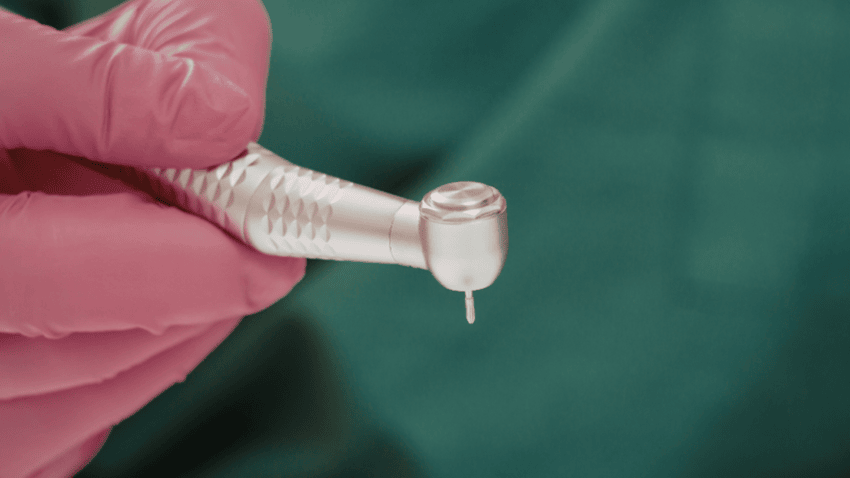
A high-speed handpiece rarely “dies suddenly.” Most of the time, you’ll receive clear warning signs, if you know what to listen, feel, and look for.
This article is designed for teams who suspect something is off and would like a guide to decide whether high speed handpiece repair is the right next step.
Below are 12 symptoms we see on our incoming work orders every week. For each one, we’ll explain what it often means internally (bearings, chuck, turbine wear, O-rings, and air/water issues) and what you should do next.
Safety note: If a handpiece feels unsafe, sounds abnormal, or performs inconsistently, it’s best to remove it from patient care until it’s evaluated. Patient safety and clinician control come first.
1) A high-pitched squeal that wasn’t there before
What you notice: A sharper, “screaming” tone, especially on startup or under load.
What it usually means: This is a classic early sign of bearing wear in the turbine. Bearings can begin to fail long before a handpiece fully stops.
Why it matters: Worn bearings can escalate quickly to catastrophic failure, leading to more internal damage and sudden failure during a procedure.
What to do next: Stop using it for procedures and send your equipment in for high speed handpiece repair evaluation before the squeal becomes a grind.
2) Grinding or “crunchy” sound during rotation
What you notice: A rough, growling noise instead of the normal smooth whine.
What it usually means: Bearings may be significantly worn, or debris has compromised the turbine system.
Why it matters: Continued use can damage the turbine, affect bur concentricity, and reduce cutting efficiency.
What to do next: Take it out of service and send it in. Grinding is typically beyond “wait and see.”
3) Excessive heat at the head
What you notice: The head gets hotter than usual after short use.
What it usually means: Heat is mostly friction-related, commonly bearing failure leading the turbine spindle to contact the end cap’ or a dented end cap that is now coming into contact with the turbine while rotating.
Why it matters: Excess heat is a patient safety concern and can burn oral tissue.
What to do next: Discontinue use for patient care and request an inspection. Heat is one of the clearest “stop-use” symptoms!
4) Loss of power or stalling under normal pressure
What you notice: It bogs down, slows, or stalls during cutting even with normal technique.
What it usually means: This can point to bearing cage failure, restricted airflow, or internal leakage (often related to worn seals or O rings). The bearing retainer, or cage that holds the balls in place inside the bearings can crack without completely breaking. This allows the turbine to spin freely while free running, but as soon as it is placed under load the cage expands and the increased friction inside the bearing causes it to slow down. The handpiece could also be experiencing drive air loss due to a blockage or internal leakage if seals and O rings fail.
Why it matters: Power loss only gets worse. It can also cause clinicians to compensate with pressure, creating more stress on the handpiece and the tooth.
What to do next: Have your handpiece evaluated to see what is causing the problem and what it will take to rectify it.
5) Bur slipping or “walking out” mid-procedure
What you notice: The bur doesn’t feel locked in, or it creeps outward as you cut.
What it usually means: The autochuck is failing. Continued use can cause the bur to eject suddenly and harm the patient.
Why it matters: Bur retention is one of the most serious patient safety hazards, capable of inflicting sever damage to the oral cavity.
What to do next: Stop using it immediately and send it in. Bur retention symptoms cannot be ignored.
6) Bur won’t seat fully or won’t release smoothly
What you notice: The bur is difficult to insert or remove, or is not fully seating.
What it usually means: Chuck wear, end cap wear, contamination, or internal misalignment. Sometimes it’s the first symptom before outright bur slippage begins.
Why it matters: Poor seating increases runout and vibration and can accelerate wear on the chuck and turbine.
What to do next: Remove from rotation and schedule a repair evaluation.
7) New vibration, wobble, or increased runout
What you notice: The handpiece feels less stable, the bur is no longer turning concentrically, increased vibration.
What it usually means: The front bearing is failing or has failed. As you cut with lateral pressure on the bur, the front bearing is acting as a “fulcrum” for the side load you are creating . The front bearing takes the brunt of the force from the pressure from the side load and is prone to failing first.
Why it matters: Vibration impacts your ability to cut precisely and maintain a clean margin, plus it’s a strong indicator the internal system isn’t running true.
What to do next: If vibration is noticeable, don’t keep pushing it. Early repair can prevent larger failures.
8) Inconsistent speed – surging or pulsing
What you notice: RPM feels uneven, like it speeds up or slows down with no consistency.
What it usually means: Air supply problems, especially if using a swivel quick disconnect style handpiece, internal leakage, or turbine wear. Sometimes worn O rings can contribute to unstable performance.
Why it matters: Inconsistent speed reduces control and can lead to unpredictable cutting.
What to do next: Confirm your delivery unit pressure and coupler basics first. If the issue follows the handpiece (not the operatory), it’s time for a high speed handpiece check up.
9) Weak or uneven water spray
What you notice: Spray pattern is reduced, irregular, or “spitty.”
What it usually means: Waterline restriction, clogged ports, or internal wear affecting water delivery.
Why it matters: Cooling and visibility suffer. Reduced water flow can also increase heat risk.
What to do next: Clean according to manufacturer instructions and confirm unit water flow. If it persists, send it in, water issues are usually internal.
10) Air/water leaking around the coupler or connection
What you notice: Moisture, misting, or air leaks where the handpiece meets the coupling.
What it usually means: Often O ring wear or coupling interface issues.
Why it matters: Leaks reduce performance and can lead to contamination concerns and premature component wear.
What to do next: Replace coupler O rings if appropriate for your model and protocols. If leaking continues, a professional inspection is the safest route.
11) You smell something “burnt” or notice unusual debris
What you notice: A burnt odor, metallic smell, or unexpected particulate around the head.
What it usually means: Internal friction (bearings), turbine damage, or component wear.
Why it matters: This is a late-stage warning sign for many handpieces.
What to do next: Stop use and send it in. Don’t try to “power through” odor or debris symptoms.
12) The handpiece fails intermittently (works…then doesn’t)
What you notice: It runs fine, then cuts out, then returns.
What it usually means: Internal wear, airflow inconsistency, or failing components that haven’t fully collapsed yet.
Why it matters: Intermittent failure is the definition of “unreliable chairside.”
What to do next: Treat intermittent failure like a full failure—remove it from service and schedule high speed handpiece repair.
Don’t Wait for Catastrophic Failure! Send Your Handpiece in to Handpiece Express and Get it Checked Out
At Handpiece Express, we’ve repaired 80,000+ handpieces and helped practices stay on schedule with fast, reliable high-speed repairs.
Get back the smooth, safe performance you need to do your best work.
📞 Call: (800) 895-7111