


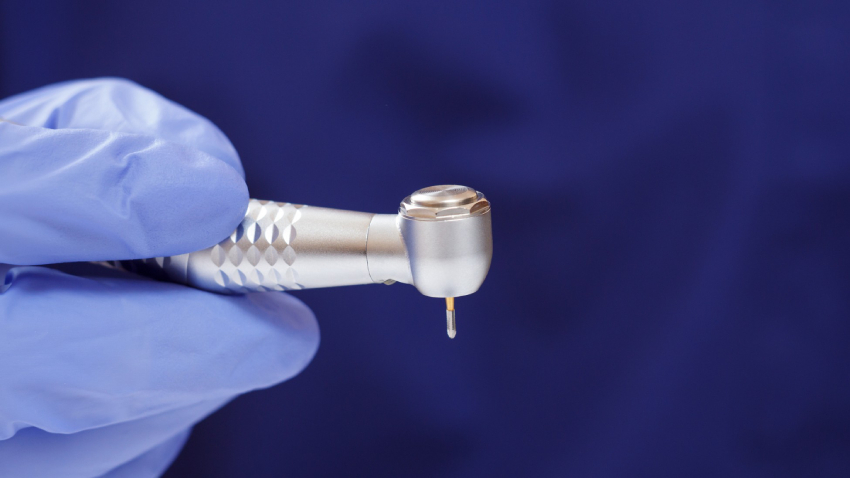
Something feels off with your handpiece, but you’re not sure it’s actually a problem. Maybe it’s louder than it used to be. Maybe cuts feel slightly sluggish. You’re busy, the schedule is full, and it’s easy to wait and see.
The issue with waiting: most handpieces show several warning signs before they fail completely. Dentists who catch those signs early save money and avoid scheduling disruptions. Those who wait often turn a $99.95 bearing rebuild into a full turbine replacement. Working with handpiece repair experts who have seen this pattern repeat across hundreds of thousands of repairs makes one thing clear: the signs are almost always there before a handpiece goes down.
Here’s what to watch for.
Key Takeaways
- Bearing failure is the most common cause of high-speed handpiece problems, and it develops gradually, not overnight
- Most handpieces show 2 or 3 warning signs before they stop working entirely
- Lubricating after every patient use is the single most effective daily habit for extending handpiece life
1. Your Handpiece Sounds Different
This is the earliest warning sign and the one most often dismissed.
A healthy high-speed handpiece has a consistent, smooth tone when it runs. When bearings start to wear, that tone changes. You might notice:
- A higher-pitched whine during use
- A rough or gravelly quality that wasn’t there before
- Intermittent noise changes at different speeds or bur positions
- A faint rattling or vibrating at startup or shutdown
The change can be subtle at first. The handpiece is still working, it doesn’t mean failure is imminent. What it does mean is that bearing wear has started and the turbine needs attention before that wear accelerates.
Red Flag: If the sound changed noticeably over just a few days rather than gradually over weeks, that’s a sign of more advanced wear. Get it evaluated sooner.
2. Cutting Feels Slower, Labored, or Inconsistent
A healthy high-speed handpiece cuts cleanly and consistently. When bearing wear advances, the turbine loses efficiency. You’ll feel it before you see it.
Watch for:
- Noticeably more pressure needed to cut through the same materials
- The handpiece slowing under normal load
- Cuts that feel choppy or stall when the bur contacts the tooth
- Performance that varies from one use to the next without an obvious reason
This is the point where the problem starts affecting patient care. Slower, inconsistent cutting increases procedure time, puts more stress on the tooth and surrounding tissue, and makes precision work harder.
Pro Tip: If you’re noticing reduced cutting power and the handpiece is also running louder than it used to, those 2 signs together are a reliable indicator of bearing wear. A rebuild at this stage is almost always straightforward.
3. The Handpiece is Heating Up
Heat is one of the clearest mechanical warning signs.
High-speed handpieces generate some heat under normal use but they should never be noticeably warm to the touch during a procedure.
Worn bearings create more friction. More friction produces more heat.
That heat accelerates wear on other internal components, which means continuing to use a warm handpiece compounds the damage quickly.
Red Flag: A handpiece hot enough for a patient to notice is not a “monitor it” situation. That’s a send-it-in situation.
Do not continue using an overheating handpiece. The heat damages internal components and turns what could have been a simple repair into a more involved one.
4. Burs are Difficult to Seat, Slip, or Feel Unstable
This sign points to a different problem: the auto-chuck.
The auto-chuck is the mechanism that grips the bur when you press or lock it in. When it wears out, burs don’t seat securely. You might notice:
- Resistance when inserting or releasing a bur
- A bur that doesn’t click into place the way it normally does
- Vibration or wobble during cutting that seems to come from the bur, not the tooth
- A bur that releases unexpectedly during a procedure
A worn or failing chuck is a patient safety issue. A bur that isn’t gripped securely can fail mid-procedure in ways that create serious problems.
Why It Matters: In some cases, the chuck itself can be repaired without replacing the entire turbine. In others, wear is advanced enough that a new turbine is the right call. Either way, a handpiece with a failing chuck should come out of rotation immediately.
5. The Handpiece Stops Mid-Procedure or Won’t Start
This is the sign no one wants, and unfortunately the one that sends the most handpieces in for repair.
A handpiece that stops spinning during a procedure or won’t start at all has reached complete bearing failure. The turbine has locked up or degraded to the point where it can no longer run.
At this stage:
- The repair is more involved and potentially more expensive than it would have been earlier
- The handpiece is out of your rotation without warning, mid-schedule
- Depending on what failed during use, additional components may need replacement
The difference between this stage and Sign 1 is almost always time. Most handpieces that stop unexpectedly were showing earlier signs for weeks before the final failure.
Pro Tip: Keep a backup handpiece in active rotation. Even with good maintenance habits, unexpected failures are possible. A second unit in service means a stopped handpiece doesn’t stop your practice.
How to Keep Your High-Speed Handpiece in Better Shape
Repair is necessary. Maintenance delays the next repair. These habits matter most:
Proper Lubrication
Lubricate after every patient use. This is the single most impactful step. Lubrication reduces friction on the bearings and extends turbine life. Skipping it consistently under a packed schedule is one of the most common causes of premature bearing wear.
Warm Up Your Handpiece
Run the handpiece briefly after lubrication, before sterilization. This distributes the lubricant evenly through the turbine. Running it straight into the autoclave without this step leaves lubricant pooled where it doesn’t help.
Sterilization Procedures
Follow your manufacturer’s sterilization protocol. Excessive autoclave heat or incorrect cycles damage bearings and O-rings over time. Your specific handpiece model has specific recommendations.
Always Use a Bur
Don’t run the handpiece without a bur. Running a high-speed handpiece empty at full speed puts unnecessary stress on the bearings.
Pay Attention
Note changes as they happen. Sound, heat, and performance shifts are easiest to address when they’re fresh. A change that seems minor today can become a full bearing failure in a few weeks.
What to Do Next
- Check your current handpiece against these 5 signs. If it matches Sign 1 or Sign 2, schedule a repair soon. If it matches Sign 3, 4, or 5, stop using it and send it in.
- Request a free mailer kit. Handpiece Express provides everything you need to pack and ship your handpiece safely. Request yours at our Free Mailer Kit page or call (800) 895-7111.
- Send in your handpiece. You’ll receive a free written estimate the same day it arrives. Repair begins the same day you approve it. Most high-speed repairs are completed the same day.
Safety note: Do not continue using a handpiece that is overheating or dropping burs. Remove it from service and arrange for repair before the next use.
Why Dental Practices Trust Handpiece Express
Handpiece Express is a family-owned company based in Round Rock, Texas. Since 1994, the team has repaired over 140,000 handpieces for dental practices across the country.
Every high-speed rebuild from the handpiece repair experts at Handpiece Express includes:
- Ceramic bearings at no extra charge.
- Same-day repair on most handpieces.
- 6-month warranty on most high-speed repairs, with select services carrying a 1-year warranty.
- 100% satisfaction guarantee. If the repair doesn’t resolve the issue, Handpiece Express re-evaluates and refunds the full cost if they can’t make it right.
Send In Your Handpiece Before a Small Problem Becomes a Bigger One
If any of these 5 signs sound familiar, it’s worth having your handpiece evaluated by Handpiece Express. A free estimate costs nothing, and catching bearing wear early almost always means a simpler, less expensive repair.
Request a free mailer kit and send your handpiece to the team that has been trusted by dental practices across the country for over 30 years.
📞 Call: (800) 895-7111
Common Questions About High-Speed Handpiece Repair
Bearing failure. The turbine bearings inside a high-speed handpiece wear down over time from heat, pressure, and repeated use. Handpiece Express rebuilds the turbine using new ceramic bearings rather than replacing the entire assembly. Catching bearing wear early, usually at Sign 1 or Sign 2, keeps the repair straightforward.
Bearing replacement for most high-speed models starts at $99.95. A new HPX turbine ranges from $189 to $259 depending on the model. Handpiece Express sends a free written estimate the same day your handpiece arrives, so you know the cost before any work begins.
Most manufacturer guidelines recommend professional service every 6 to 12 months, depending on usage volume. High-volume practices using a handpiece across multiple patients daily will reach that interval faster. Lubricating after every patient use and following your sterilization protocol properly extend the time between needed repairs.