


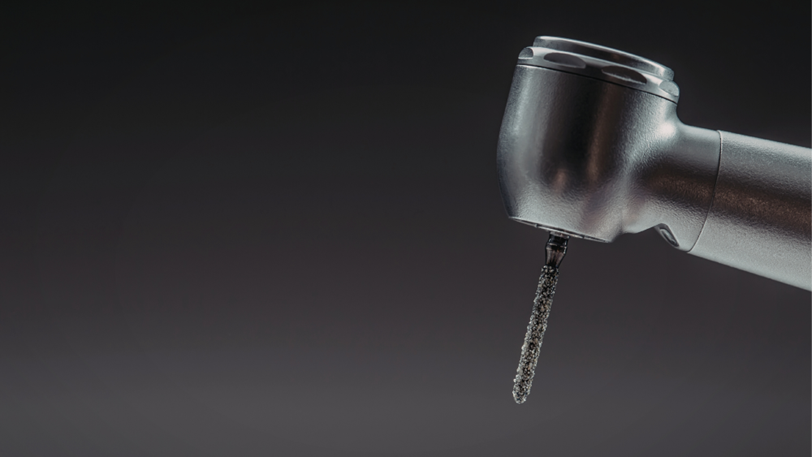
KaVo high speed handpieces are among the most trusted instruments in dentistry. The Master, Expert, and Smart series offer the clinician a range of features with three different pricing levels. This is a smart approach to allow the dentist to choose what is most important to them. Dentists who use them know the precision they deliver and the investment they represent.
They’re also consistently one of the top 3 handpiece brands we recieve at Handpiece Express. That’s not a knock on the brand, it simply reflects how widely KaVo is used.
The most common issue we see: lack of consistent lubrication. That single habit, maintained or neglected, does more to determine how long your high-speed handpiece lasts before needing kavo handpiece repair than almost anything else.
The practices below follow KaVo’s own maintenance recommendations. They’re straightforward, take only a few minutes per use, and make a real difference in how long your handpiece stays out of the repair shop.
Key Takeaways
- Lubricate after every single patient use: KaVo’s own guidelines specify this, and skipping it is the leading cause of excessive internal friction and early bearing failure
- Autoclave settings matter: temperature, cycle length, and dry time all affect how long your handpiece holds up
- Your handpiece gives clear warning signs before it fails: catching them early usually means a simpler, less expensive repair
- KaVo high-speed bearing replacements at Handpiece Express range from $99.95 to $129.95: Waiting until the turbine fails can double or triple that cost
- Every rebuild includes ceramic bearings at no extra charge: they outperform steel bearings and are now the industry standard
KaVo High-Speed Best Practices: Lubrication
KaVo’s maintenance guidelines are direct on this point: lubricate your high-speed handpiece after every patient use. Not at the end of the day.
Why This Matters
The turbine head runs at high RPM with minimal clearance between moving parts. Without fresh lubricant, friction increases inside the turbine. That friction wears down the bearings, generates heat, and shortens the life of the entire turbine assembly. It’s the most preventable form of damage we see at Handpiece Express, and one of the most common.
How to lubricate correctly:
- Use a spray lubricant designed for high-speed air-driven handpieces — a KaVo-compatible formula works well
- Apply lubricant to the drive air line connection, following the manufacturer’s instructions for your specific model
- Run the handpiece briefly (2 to 3 seconds) after lubricating to distribute the oil through the turbine
- Wipe away excess lubricant from the outside of the handpiece before sterilization
- Do not over-lubricate. Pooled oil inside the turbine head can trap debris and create secondary problems
Watch for: A handpiece that runs warm or feels rough even with consistent lubrication is telling you the bearings are already worn. That’s a send-it-in signal, not a sign to apply more oil.
KaVo High-Speed Best Practices: Autoclave Guidelines
Sterilization between every patient is required, but how you autoclave affects how long your handpiece lasts. Autoclave cycles that run too hot, too long, or without a proper dry phase accelerate wear on these delicate miniature components.
KaVo’s general specifications for high-speed handpieces:
- Maximum temperature: Do not exceed 135°C (275°F)
- Cycle time: Follow the validated cycle for your specific autoclave unit, longer than needed adds cumulative heat stress
- Dry cycle: Always run a complete dry cycle. Moisture left inside the handpiece after sterilization corrodes internal components over time
- Bur removal: Remove the bur before autoclaving, leaving one in puts stress on the chuck and turbine during the cycle
Important: Do not use chemical (cold) sterilization on KaVo high-speed handpieces. It can damage internal components or the housing and does not meet sterilization standards for these instruments.
KaVo High-Speed Best Practices: Bur & Chuck Function
The autochuck on your KaVo high-speed handpiece handles thousands of bur changes over its lifespan. Worn chuck components may cause burs to seat improperly, wobble during use, or fail to release during a patient procedure. Running a handpiece with a loose bur is dangerous and may accelerate damage to the turbine.
Check for these signs during regular use:
- Bur inserts smoothly and seats with a clear, positive hold
- No lateral play or wobble when the bur is fully seated
- Push-button release operates crisply without sticking or excessive resistance
- Bur releases completely and cleanly on the first attempt
If any of these are off, stop using that handpiece. In some cases, the chuck itself can be repaired without replacing the full turbine, but only if you catch it early.
KaVo High-Speed Best Practices: Storage
How handpieces are stored between sterilization and use matters more than most practices assume.
Storage best practices:
- Store in the sterilization pouch to maintain sterility
- Place the sterilization pouch in the autoclave with the paper side up to promote faster drying through evaporation
- Allow handpieces to cool to room temperature before placing them back in use
- Keep handpieces dry during storage. Store the handpieces in the pouch with the paper side up so evaporation can more easily take place before using
KaVo High-Speed Best Practices: When to Repair
Consistent maintenance extends handpiece life, but it doesn’t prevent all wear indefinitely. Knowing the warning signs gets you in front of a repair before a fixable issue becomes a costly one.
Send your KaVo high-speed handpiece in if you notice any of these:
- Unusual noise during use — grinding, rattling, or a change in the normal turbine pitch
- Vibration felt through the body of the handpiece during normal operation
- Reduced cutting power or noticeably slower rpm’s
- The handpiece feels hot to the touch during a normal procedure
- Bur wobble even with a correctly and fully seated bur
- Water or air spray that’s weak, inconsistent, or misdirected
A practical guideline
If your handpiece sounds or feels different from how it normally runs, that’s enough reason to send it in. Early-stage bearing wear is a bearing replacement. Late-stage bearing wear could be a turbine replacement.
Common KaVo Handpiece Care Mistakes
Even experienced dental teams fall into habits that shorten handpiece life. These are the most common issues our technicians see when KaVo high-speed handpieces come in:
- Not lubricating enough: you should spray the oil into the handpiece until oil drips out of the head indicating the bearings have been saturated
- Skipping the dry cycle in the autoclave: residual moisture inside the turbine head corrodes bearings from the inside out
- Running the handpiece after noticing vibration or unusual noise: what starts as bearing wear becomes turbine damage quickly
- Leaving burs in during autoclaving: adds unnecessary stress to the chuck and turbine on every sterilization cycle
How Handpiece Express handles KaVo high-speed repair
Handpiece Express has repaired more than 140,000 handpieces since 1994, and KaVo high-speed units are among the most common instruments on the workbench. Models serviced include the 640, 642, 647, 635/6000, 659/4500/6500, M8700/M8900, and the Master, Expert, and Smart lines.
Every high-speed rebuild includes ceramic bearings at no extra charge. Ceramic bearings run smoother, last longer, handle heat better, and run quieter than standard steel. When bearings alone aren’t enough, both HPX in-house turbines (6-month warranty) and OEM KaVo turbines are available.
KaVo high-speed repair pricing:
| Model | Bearing replacement | HPX turbine |
|---|---|---|
| KaVo 647, 640, 642 | $99.95 | $199.00 |
| KaVo 6000/635 | $129.95 | $299.00 |
| KaVo 659/4500/6500 | $129.95 | $229.00 |
| KaVo M8700/M8900 | $129.95 | $229.00 |
| KaVo Master/Expert/Smart | $129.95 | $229.00 |
Most repairs are completed the same day the handpiece arrives. A written estimate goes out the same day of receipt. If you decline the repair, there’s no charge.
Send Your KaVo Handpiece to Handpiece Express for Expert Repair
If your KaVo high-speed handpiece is showing any of the warning signs above, or if it’s simply due for a service check, Handpiece Express makes the process simple.
Request a free mailer kit! It includes everything you need to pack and ship your handpiece safely. Your estimate arrives the same day your handpiece does, and repair starts as soon as you approve it.
📞 Call: (800) 895-7111
Common Questions About KaVo High-Speed Handpieces
After every patient use. KaVo’s own maintenance guidelines specify this, and it’s the single most effective daily habit for extending bearing life and preventing premature KaVo handpiece repair.
Each procedure without lubrication increases internal friction inside the turbine. Over time, that friction wears down the bearings faster than normal use would. A bearing replacement that costs $99.95 becomes a turbine replacement at $199 to $229, plus the time your practice is without that handpiece.
Yes and you should. Follow KaVo’s cycle specifications (maximum 135°C), always complete the dry cycle, and remove the bur before autoclaving.