


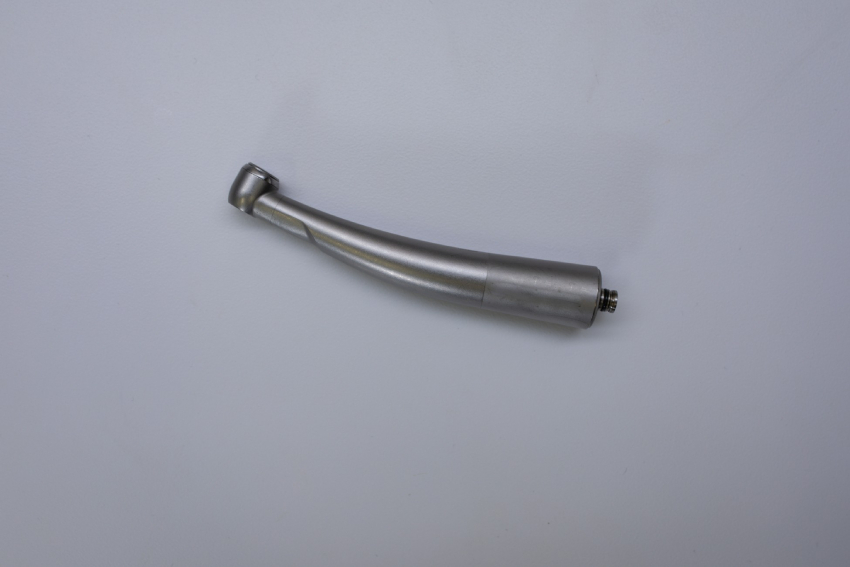
Your NSK high-speed handpiece runs hundreds of thousands of RPM every single day. That kind of workload takes a toll on internal components and when something starts to go, you’ll know it. If you’re researching nsk handpiece repair, this guide covers what to look for, how to do a quick inspection yourself, what the repair process actually involves, and how to keep your handpiece running longer between repairs.
Key Takeaways
- Turbine cartridge and bearing failure are the most common NSK high-speed repair issues, caused directly by the high operating speeds these handpieces run at.
- You can do a basic self-inspection before sending your handpiece in, but internal repairs should always go to a trained technician.
- Catching problems early almost always keeps repair costs lower than waiting until performance fails completely.
What Makes NSK High-Speed Handpieces Different
NSK is the world’s largest handpiece manufacturer, with some of the most widely used high-speed handpieces in dentistry. Many popular models come through our shop, like the X600, M600, 9000S, Z800, and Z900 and older models like the PanaMax and the PanaMax Plus.
These are air-driven, high speed turbine handpieces. That means a stream of compressed air spins a turbine inside the head at very high RPM to drive the bur. The faster the spin, the more wear builds up on the bearings and turbine over time.
That’s exactly why bearing and turbine failure are the most common issues with NSK high-speed repairs. The operating speeds these handpieces run at put constant stress on those components, and when lubrication lapses or sterilization cycles add heat and moisture, that wear accelerates.
Step 1: Know the Warning Signs Before You Send It In
Catching problems early gives you more repair options and keeps costs down. Here’s what to watch for with your NSK high-speed:
Signs your bearings are wearing out
- Noise: A new or worsening whine, rattle, or grinding sound during operation
- Vibration: The handpiece feels rougher in your hand than it used to
- Reduced cutting efficiency: Burs aren’t cutting as cleanly or as fast
- Wobble: Any visible or tactile bur wobble during rotation means a lack of concentricity which will affect the quality of your margins
Signs your turbine cartridge needs attention
- Heat at the head: The handpiece runs noticeably warm or hot after normal use
- Chuck failure: The push-button or lever no longer grips burs securely
- Intermittent performance: The handpiece cuts fine one moment and drags the next
Heads Up: Heat is one of the most important early signals. If your NSK handpiece is running hot, don’t keep using it. Continued use on a failing turbine can turn a straightforward bearing replacement into a full turbine replacement.
Step 2: Do a Quick Self-Inspection
Before you box up your handpiece, take 5 minutes to check a few things. You won’t be doing any disassembly, this is a simple external inspection that gives the repair technician useful information and helps you describe the problem accurately.
What to check
- Insert a bur and check for wobble. Hold the handpiece up at eye level and spin it briefly. Any visible wobble in the bur points to bearing wear or a chuck issue.
- Check the chuck. Press or lever the chuck open and insert a bur. Does it grip firmly? If the bur pulls out with light resistance, the chuck needs attention.
- Look at the head. Any visible damage, cracks, or discoloration around the head can help the technician assess what happened before the repair.
- Note when and how symptoms started. Was it sudden or gradual? After autoclaving? After a specific procedure? This kind of detail speeds up diagnosis.
Pro Tip: Write down your observations before you ship. Even a short note helps your technician prioritize and gives you a better repair estimate faster.
Step 3: Understand What Happens During NSK Handpiece Repair
Once your handpiece arrives at a repair shop, here’s what the process looks like:
The standard rebuild process
- Inspect and disassemble — The technician checks all components and removes the worn bearings or damaged cartridge.
- Deep clean — All internal parts are thoroughly cleaned before any new components go in.
- Rebuild — New bearings are installed along with fresh O-rings and any other worn parts.
- New Turbine — A new turbine might be recommended if the autochuck is no longer holding the burs safely
- Calibrate and test — The repaired handpiece is tested to performance standards before it ships back to you.
Repair options for NSK high-speed handpieces
The right repair depends on what’s actually worn. Here’s how it typically breaks down:
|
Issue |
Repair |
What It Addresses |
|---|---|---|
|
Worn bearings |
Bearing replacement |
Noise, vibration, rough feel |
|
Damaged turbine or failed autochuck |
New turbine cartridge |
Power loss, heat, bur wobble, chuck failure |
|
Both |
Full rebuild with new turbine |
Complete restoration of performance |
For most NSK models, a typical bearing replacement runs $99.95. A new HPX turbine is $199.00.
OEM turbines are also available for most NSK models, call for pricing if you prefer original manufacturer components.
Step 4: Send Your Handpiece In the Right Way
A handpiece that ships poorly can arrive with new damage. Take a few extra minutes here.
- Use our Pre Paid Mailer Box. The handpiece head is the most vulnerable part, protect it.
- Remove burs before shipping.
- Include a note/workorder with your name, contact info, and a description of the problem. This skips a game of phone-tag step and gets your estimate out faster.
- Request a written estimate before any work begins. Any reputable repair shop should send you an estimate before touching the handpiece, and there should be no charge if you decline.
Common Mistakes That Lead to Early NSK Handpiece Failure
These are the patterns that show up most often when a handpiece comes in for repair before it should have to:
Autoclaving without lubrication
NSK high-speed handpieces should be lubricated after every patient use. Skipping this even occasionally accelerates bearing wear significantly.
Running a symptomatic handpiece
Noise, heat, and vibration are signals, not quirks. Continuing to use a handpiece that’s showing early signs of bearing wear puts the turbine cartridge at risk too, which costs more to repair.
Ignoring chuck problems
A chuck that grips loosely or inconsistently puts risk on your patient. It’s worth flagging even if the handpiece still “works.”
Using the wrong lubricant
Use an approved lubricant recommended for your NSK model and apply it correctly, usually a short spray into the drive air port, run briefly, then wipe excess before autoclaving.
What to Do Next
- Inspect your handpiece using the self-check in Step 2 above. Note any symptoms, when they started, and how the handpiece behaves.
- Request a free mailer kit from Handpiece Express, it comes with safe packing supplies so your handpiece ships without new damage.
- Ship your handpiece. Include your contact info and a brief description of the problem. A written estimate goes out the same day it arrives.
- Approve the estimate and get it back fast. Most NSK high-speed repairs are completed the same day the estimate is approved.
Safety note: Do not continue using an NSK high-speed handpiece that is running hot, producing unusual noise, or causing visible bur wobble. Continued use on a failing turbine can damage the handpiece further and may affect patient safety.
Send Your NSK Handpiece In and Get It Running Again
If your NSK handpiece is showing signs of bearing wear or turbine problems, the longer you wait, the more it may cost to fix. Handpiece Express repairs NSK high-speed handpieces with ceramic bearings, same-day turnaround on most repairs, and a warranty that backs the work.
📞 Call: (800) 895-7111
Common Questions About NSK High-Speed Handpieces
Maintenance (lubrication and sterilization) is something you do routinely, after every patient use. Repair is needed when the handpiece shows symptoms: noise, vibration, heat, bur wobble, loss of power, or chuck problems. If lubrication doesn’t resolve the symptoms within one or two uses, it’s time to send it in. A free estimate will tell you exactly what’s needed before any work is done.
Bearing replacement and turbine cartridge replacement are the most frequent repairs for NSK high-speed models. The high operating speeds these handpieces run at put constant stress on those components. Bearings typically wear first, catching it at that stage usually means a bearing replacement is sufficient rather than a full cartridge swap.
Most NSK high-speed repairs are completed the same day the handpiece arrives. A written estimate goes out that same day, and repair begins as soon as you approve it. Turnaround for most practices is very fast, typically just a few days from ship to return, depending on transit time.