


Your low speed handpiece stalls halfway through a prophy, or it starts grinding partway through a prep, and now you’re guessing whether the problem is the motor, the attachment, or something else. That guesswork costs chair time you don’t have.
This checklist walks through the most common reasons a low speed handpiece stops working, grouped by what you’re actually seeing or hearing. Work through the section that matches your symptoms and you’ll usually know within a few minutes whether it’s a quick fix or something that needs a qualified repair technician for low speed handpiece repair.
Key Takeaways
- The fastest diagnostic step: separate the motor from the attachment and test each one on its own.
- Weak spin, grinding, and overheating almost always point to worn bearings, worn gears, or a lubrication problem, not total motor failure.
- A bur that wobbles or won’t release is usually a latch head cartridge problem, or a nose cone chuck problem, not a motor problem.
- If cleaning, lubricating, and testing the motor and attachment separately don’t solve it, it’s time for a professional look.
What You’re Working With
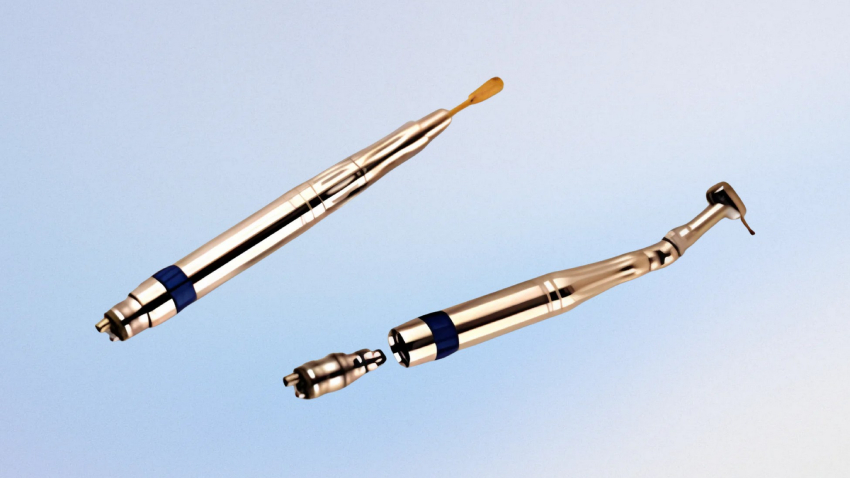
A low speed system has two main parts: the motor (air driven or electric) and the attachment that connects to it (a latch contra angle, a friction grip contra angle, a straight nose cone, or a prophy angle). Each part wears differently, and each can fail independently of the other.
That’s why the first step below matters more than any other. Once you know which half of the system has the problem, everything else on this list gets a lot easier to narrow down.
START HERE: Isolate the Problem
Before you troubleshoot anything specific, run this test. It takes under a minute and tells you where to focus.
- Disconnect the attachment from the motor. Pull the contra angle, nose cone, or prophy angle off and set it aside.
- Run the bare motor at your normal operating air pressure or electric setting.
- IF the Motor spins smoothly on its own: the problem is in the attachment, not the motor.
- IF the Motor struggles, stalls, or won’t spin at all: the problem is in the motor itself.
Pro Tip
If you have a spare attachment that’s known to work, swap it onto the motor in question. If the motor runs fine with a different attachment, that confirms the original attachment is the culprit.
Motor Doesn’t Spin or Has Weak Power
- Low or no air reaching the handpiece. Check the motor to be sure there is a gasket over the tubes to create the air seal you need to operate the motor. Also confirm the air pressure at the delivery unit matches the manufacturer’s specification.
- Debris built up inside the motor or attachment. This is a normal wear process that occurs as the internal parts rotate and create friction.
- Worn gears. Gears can crack over time so that the shaft they are mounted on continues to spin but there is no power transfer.
- Worn internal parts. As the metal gears and bearings move against each other, wear occurs creating less friction which reduces the power transfer.
Attachment Noise, Grinding, or Vibration
- Grinding or rattling. Often worn gear between the motor and the attachment.
- High pitched whine. Can point to a dry or under lubricated bearing.
- Vibration you can feel in your hand. Usually an imbalance from a worn or damaged internal part.
Heads Up: Stop using a handpiece that’s grinding or vibrating. Continued use almost always turns a simple repair into a bigger one.
Frozen Nose Cone or Sheath
- Nose cone or attachment wont rotate at all. Rust and corrosion can build up inside your attachments until eventually the bearings are completely locked up.
Chuck and Bur Problems
- Bur wobbles or is not concentric. This points to a failed bearing in the head.
- Chuck won’t open or close. Another symptom of rust or corrosion building up to the point where the chuck cannot operate.
- Bur slips during use. A sign of chuck wear that gets worse the longer you keep using it.
Pro Tip
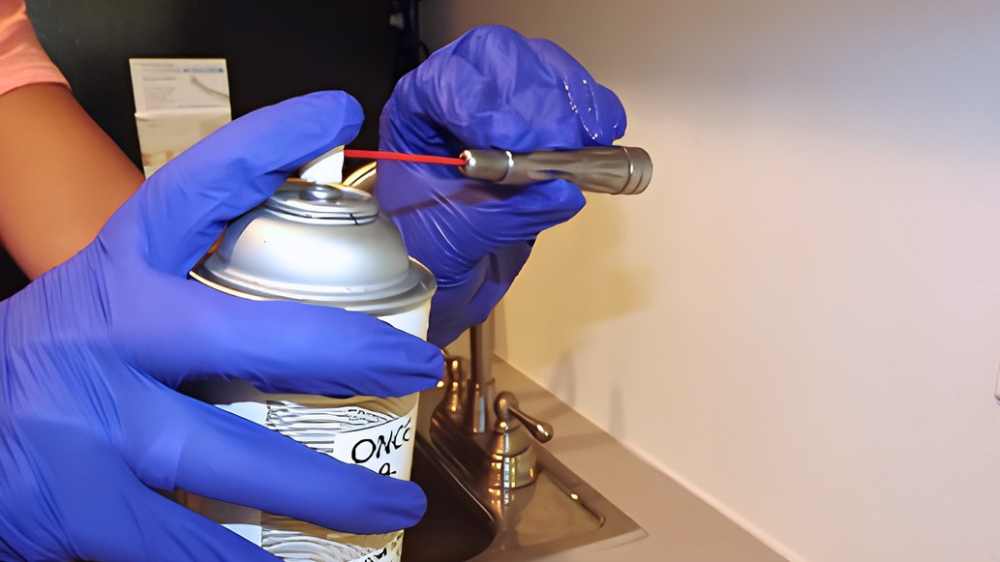
Even though most manufacturers say their nose cones do not require lubrication, we recommend a shot of aerosol high speed spray into the chuck once a week to displace corrosion and keep the chuck mechanism lubricated.
What Not to Do While Troubleshooting
- Don’t keep running a handpiece that’s grinding, vibrating, or overheating. Stop and assess before continuing.
- Don’t use pliers on a stuck bur. Use a proper removal tool instead, or send it in.
- Don’t mix attachments and motors from different systems if you can avoid it.
- Don’t guess at a lubrication schedule. Follow your manufacturer’s instructions rather than a generic interval.
- Don’t wait for total failure before sending it in. Catching wear early keeps the repair simpler and less expensive.
Is It Time to Send It In?
You don’t need a perfect diagnosis before reaching out. If any of these sound familiar, it’s a good sign to get a professional opinion:
- You’ve run the motor and attachment isolation test and traced the issue to one or the other.
- Cleaning and lubrication haven’t resolved the symptom.
- The noise, heat, or wobble has been there for more than a day or two.
- You’re not confident diagnosing it any further yourself.
We’re Here When You’re Ready
Handpiece Express has been repairing low speed motors, contra angles, nose cones, prophy angles, and scalers since 1994, and most repairs are completed the same day your handpiece arrives. If you’re not sure what’s wrong, a free estimate takes the guesswork out. If you decide not to move forward with the repair, there’s no charge.
Send in Your Low Speed Handpiece to Handpiece Express and Get It Diagnosed Fast.
📞 Call: (800) 895-7111
Frequently Asked Questions
Disconnect the attachment and run the bare motor at your normal air pressure or electric setting. If the motor runs smoothly on its own, the issue is in the attachment. If it struggles or won’t spin, the motor is the problem.
Cleaning and proper lubrication solve a lot of performance issues, and they’re worth doing first. Internal problems like worn bearings, damaged gears, or a failing chuck need a technician, since opening up the handpiece yourself risks causing more damage.
Most low speed repairs at Handpiece Express are completed the same day the handpiece arrives.
It depends on what’s wrong. A worn nose cone, a contra angle rebuild, and a full motor overhaul are priced differently. Handpiece Express provides a free estimate before any work begins, so you’ll know the cost before committing.
Handpiece Express services most major brands, including Star, Midwest, KaVo, NSK, and Adec/W&H lowspeeds. If you don’t see your model listed, call and ask.
Yes. Warranties on low speed repairs range from 3 months to 1 year depending on the specific service performed.
That’s normal, especially with problems that don’t have one obvious symptom. Call (800) 895-7111 and describe what you’re seeing or hearing. You can also send the handpiece in for a free evaluation.